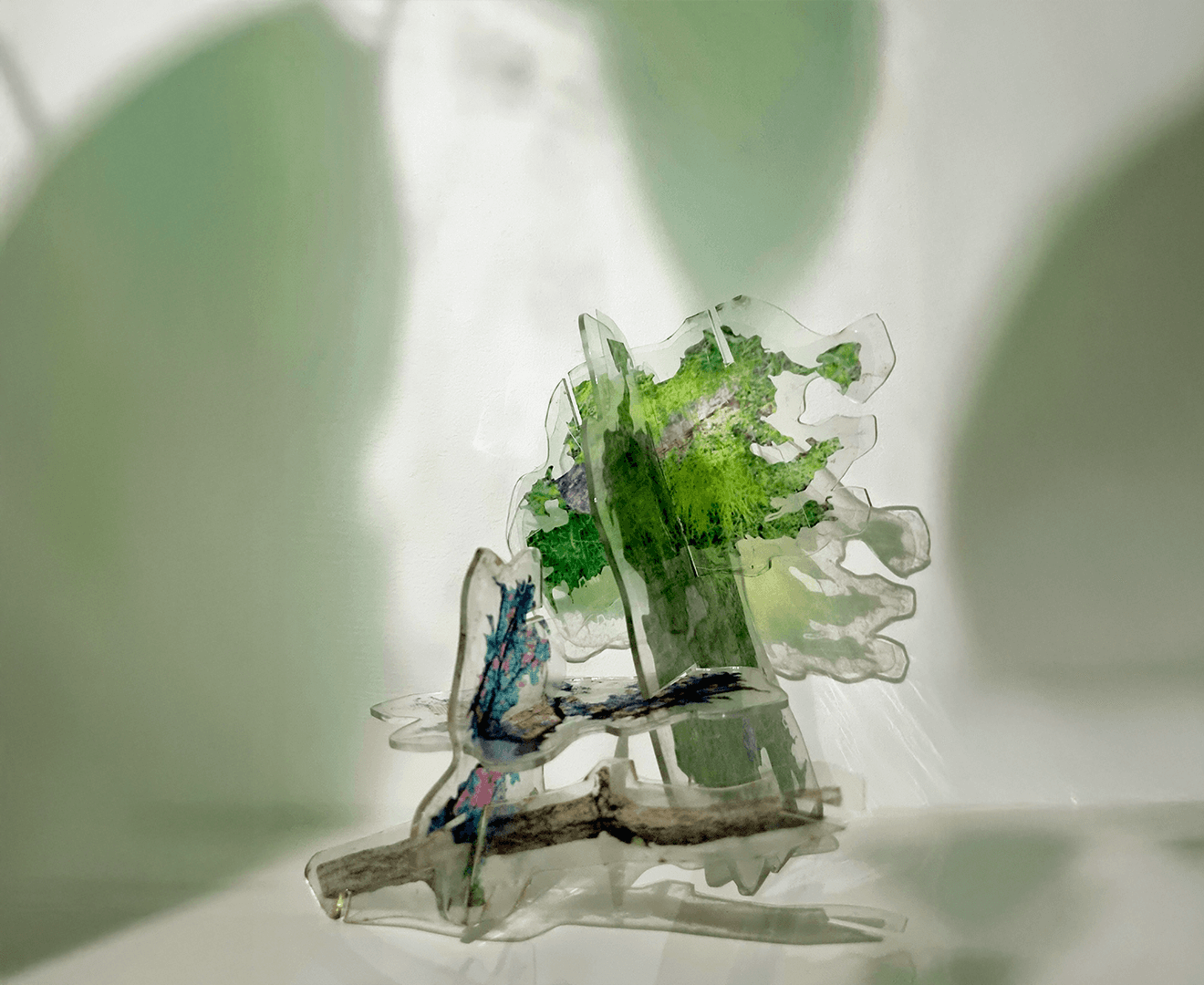
Premium interactive artwork installation inside IWC boutique
textsssss
15s film (16:9, 4K) · 45 stills
textsssss
15s film (16:9, 4K) · 45 stills
textsssss
15s film (16:9, 4K) · 45 stills
textsssss
15s film (16:9, 4K) · 45 stills
textsssss
15s film (16:9, 4K) · 45 stills
textsssss
15s film (16:9, 4K) · 45 stills
Project Summary
I built a 15s hero film and still library that set the baseline for how Baast presents premium interactive work.
The objective was to align Baast’s case study presentation with the premium atmosphere of an interactive artwork installed inside the IWC boutique in Amsterdam — and to create a reusable asset set for web, social, decks, and press.
At the time, Baast didn’t yet have a consistent hero-film language for case studies: no established banner style, no curated still set, and no clear motion baseline to reuse. The creative director set the case study objective and the tone keyword — premium. I translated that into a cohesive visual direction and delivered the asset kit end-to-end.
I studied how premium brands communicate value in motion: controlled light, restrained camera movement, clean framing, and deliberate rhythm. In practice, “premium” comes from consistent micro-decisions — simplifying the frame, controlling reflections, holding shots long enough to feel material, and revealing the full scene only after the mood is established.
Result
Challenge
I treated the challenge as a brand problem before a production problem. There was no existing case study asset system to lean on, so the first task was defining the visual standard: what “premium” means in motion for Baast, and which key moments should become representative images.
Then came execution reality. The installation was difficult to capture cleanly — reflections, layered surfaces, and interaction that can quickly feel instructional. With a lean setup (solo production, three visits), the work depended on curation and pre-planning more than equipment: selecting the right hero moments upfront so the final edit could feel calm, tactile, and premium.
Approach
I designed the film around three hero moments so the story would have intentional peaks:
1. Atmosphere — establishing the boutique context and the table as an object of presence
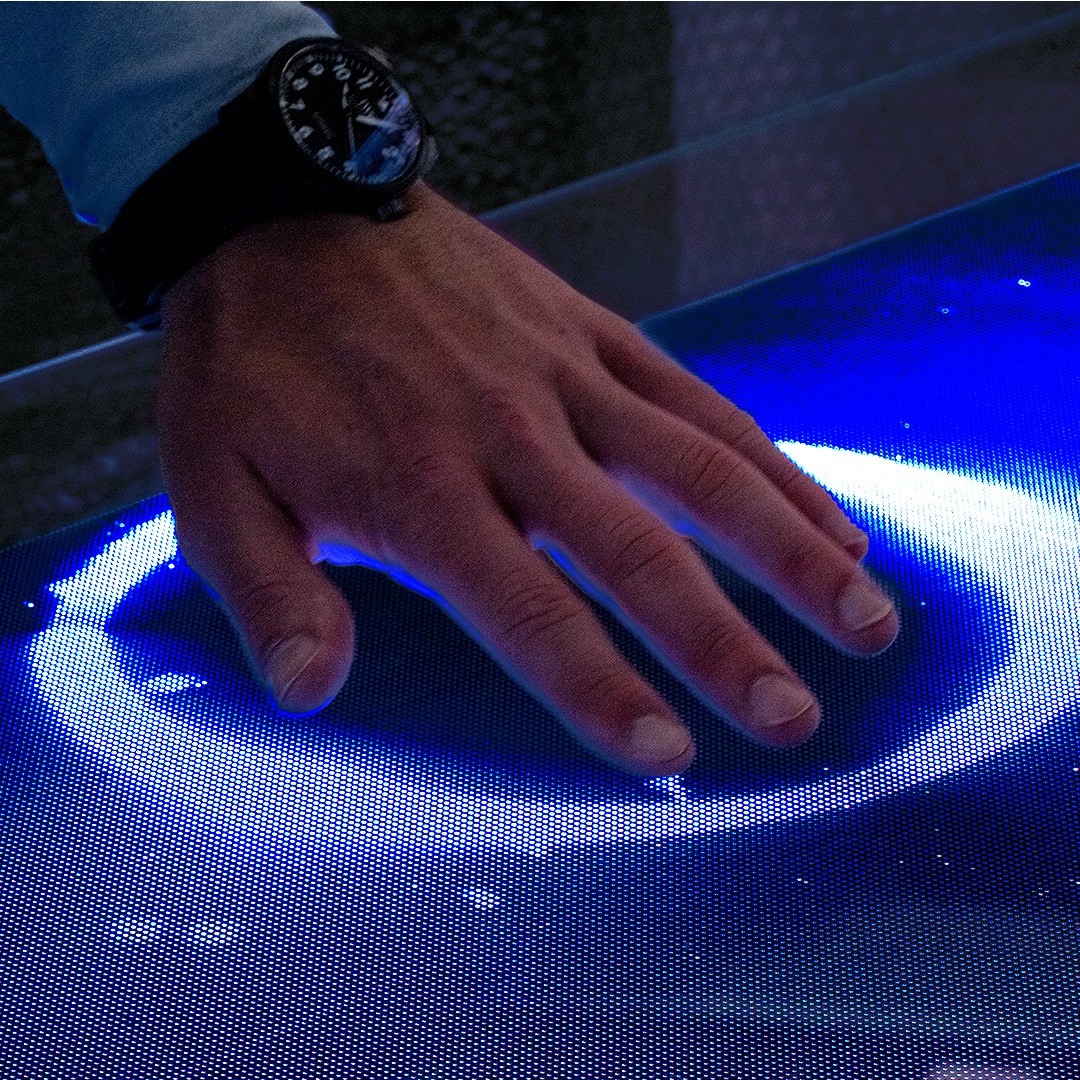
2. Interaction — gesture-led sequences that show responsiveness without explanation
3. Universe — close framing that implies craft, material quality, and the universe theme
On site, I focused on reducing reflection noise and directing attention toward what communicates value: hand movement, surface response, and the moment the table reveals its scale. I also directed the model’s performance. I coached a gentle gesture language and aligning timing, posture, and angle with the artwork’s motion so the interaction felt choreographed rather than acted.
Approach
I designed the film around three hero moments so the story would have intentional peaks:
1. Atmosphere — establishing the boutique context and the table as an object of presence
2. Interaction — gesture-led sequences that show responsiveness without explanation
3. Universe — close framing that implies craft, material quality, and the universe theme
On site, I focused on reducing reflection noise and directing attention toward what communicates value: hand movement, surface response, and the moment the table reveals its scale. I also directed the model’s performance. I coached a gentle gesture language and aligning timing, posture, and angle with the artwork’s motion so the interaction felt choreographed rather than acted.
Approach
I designed the film around three hero moments so the story would have intentional peaks:
1. Atmosphere — establishing the boutique context and the table as an object of presence
2. Interaction — gesture-led sequences that show responsiveness without explanation
3. Universe — close framing that implies craft, material quality, and the universe theme
On site, I focused on reducing reflection noise and directing attention toward what communicates value: hand movement, surface response, and the moment the table reveals its scale. I also directed the model’s performance. I coached a gentle gesture language and aligning timing, posture, and angle with the artwork’s motion so the interaction felt choreographed rather than acted.
Deliverables + Use
Hero film: 15s · 16:9 · 4K master
Stills delivered: 45 curated assets
Formats: 1080×1080 · 1920×1080
Used across: socials, sales deck, client presentations, press, website case study, main banner imagery
Key Learnings
Premium is built through control: light discipline, clean framing, restrained movement, and pacing that gives materials time to feel valuable. Planning 2–3 hero moments upfront creates designed peaks — not accidental highlights. I learned that shooting more isn’t the same as showing better; selecting fewer, stronger moments reads more premium. I also learned that direction is subtraction: choosing what not to show protects mystery and elevates perception. Finally, handling camera, lighting, edit, and grade solo clarified how directly craft decisions shape brand credibility — especially in motion.